Beyond the Showroom: Following Silk in Vietnam
Just outside of Hanoi, about an hour’s drive away, there are villages where silk is still produced on antique looms that have been in use for generations.
Long before silk found its way into the wardrobes of emperors, merchants, and aristocrats across Asia and Europe, its origins were guarded closely within ancient China, where sericulture is believed to date back more than 4,000 years. For centuries, the knowledge of raising silkworms and reeling silk thread remained one of the most protected crafts in the world. Silk travelled west not through a single road, but through a network of caravans, ports, and maritime routes, moving from China through Southeast Asia, India, Persia, and eventually into Rome, where it became a symbol of status, wealth, and power.
While Vietnam sat beyond the better-known overland routes, it became part of this wider maritime exchange, developing its own silk traditions shaped by Chinese influence, regional trade, and generations of local adaptation. In Vietnamese folklore, silk production is linked to Princess Thiều Hoa, believed to have introduced sericulture to the people, transforming silk not simply into a material, but into part of the cultural identity of the nation. In feudal Vietnam, silk was once reserved for royalty, scholars, and the elite, worn during ceremonies, court life, and moments of significance.
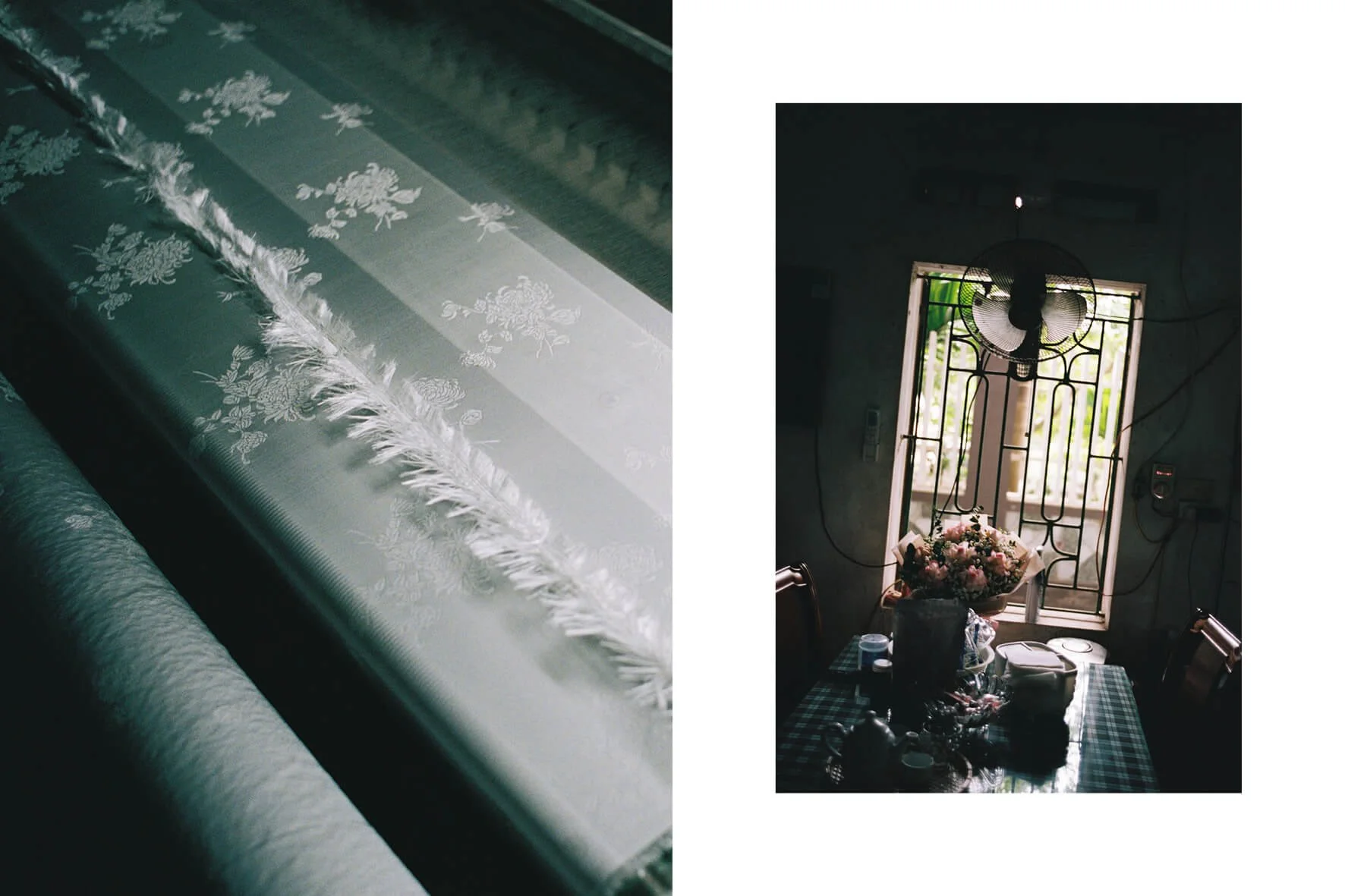
Even today, silk continues to carry that symbolism. It speaks of refinement, dignity, femininity, and continuity. It drapes through family ceremonies, ancestral portraits, weddings, and perhaps most recognisably, through the Áo dài, Vietnam’s most iconic silhouette, traditionally crafted in silk for its fluidity, movement, and quiet elegance. The modern áo dài, shaped through centuries of cultural evolution, began taking recognisable form during the 18th century under the Nguyễn dynasty.
From the street, little suggests what lies beyond. At the front sits a polished showroom, stacked floor to ceiling with bolts of silk, garments, scarves, accessories, and textiles prepared for retail and export. For most visitors, this is where the experience begins and ends.
But often, the real story sits further inside.
It is only through conversation, returning over time, and building trust that other doors begin to open. A shared curiosity. A familiar face. An unspoken understanding that access is earned, not assumed.
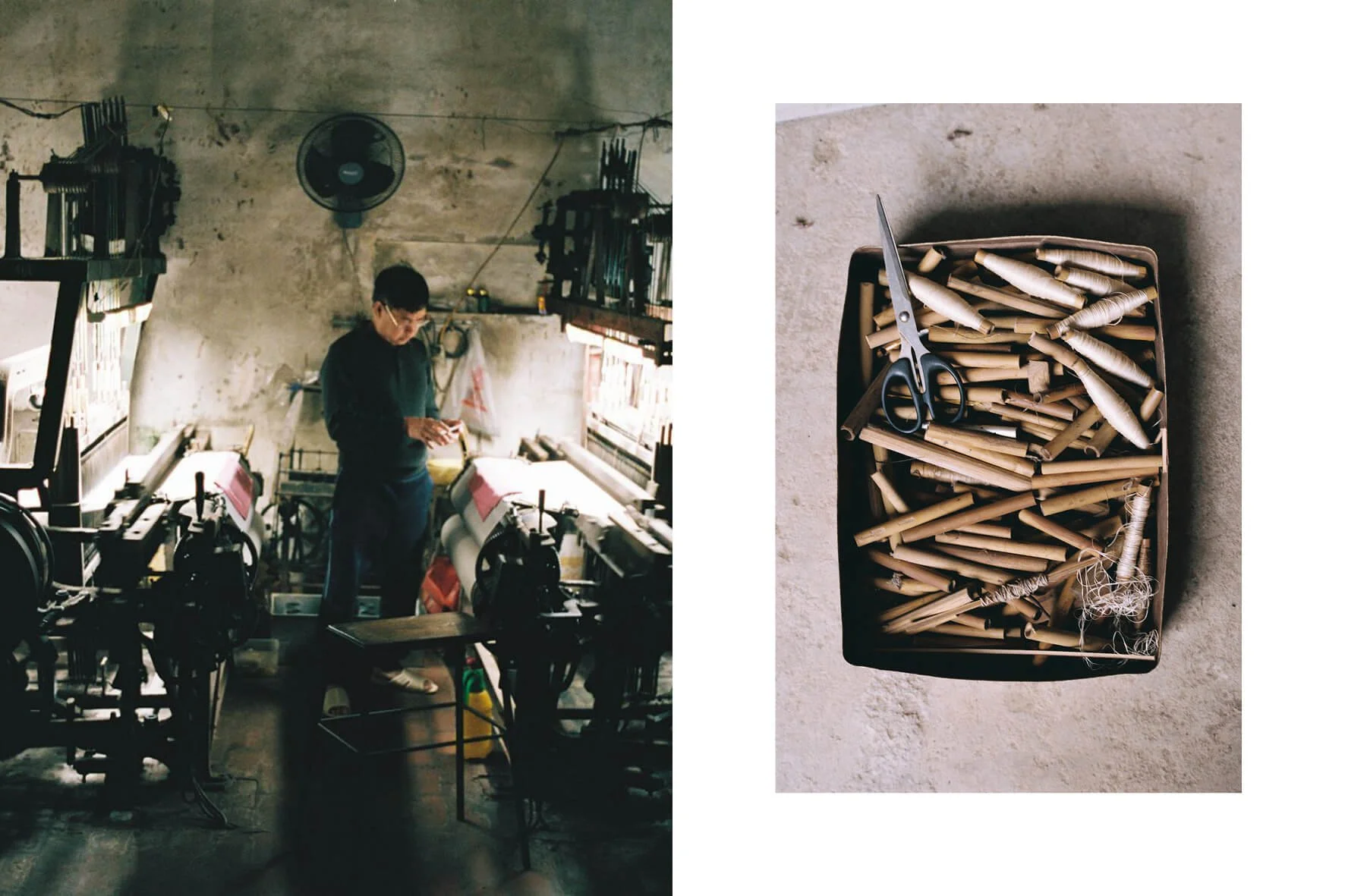
With permission, we were invited beyond the storefront, through narrow corridors, and into spaces that feel closer to family homes than factories.
And then you hear it.
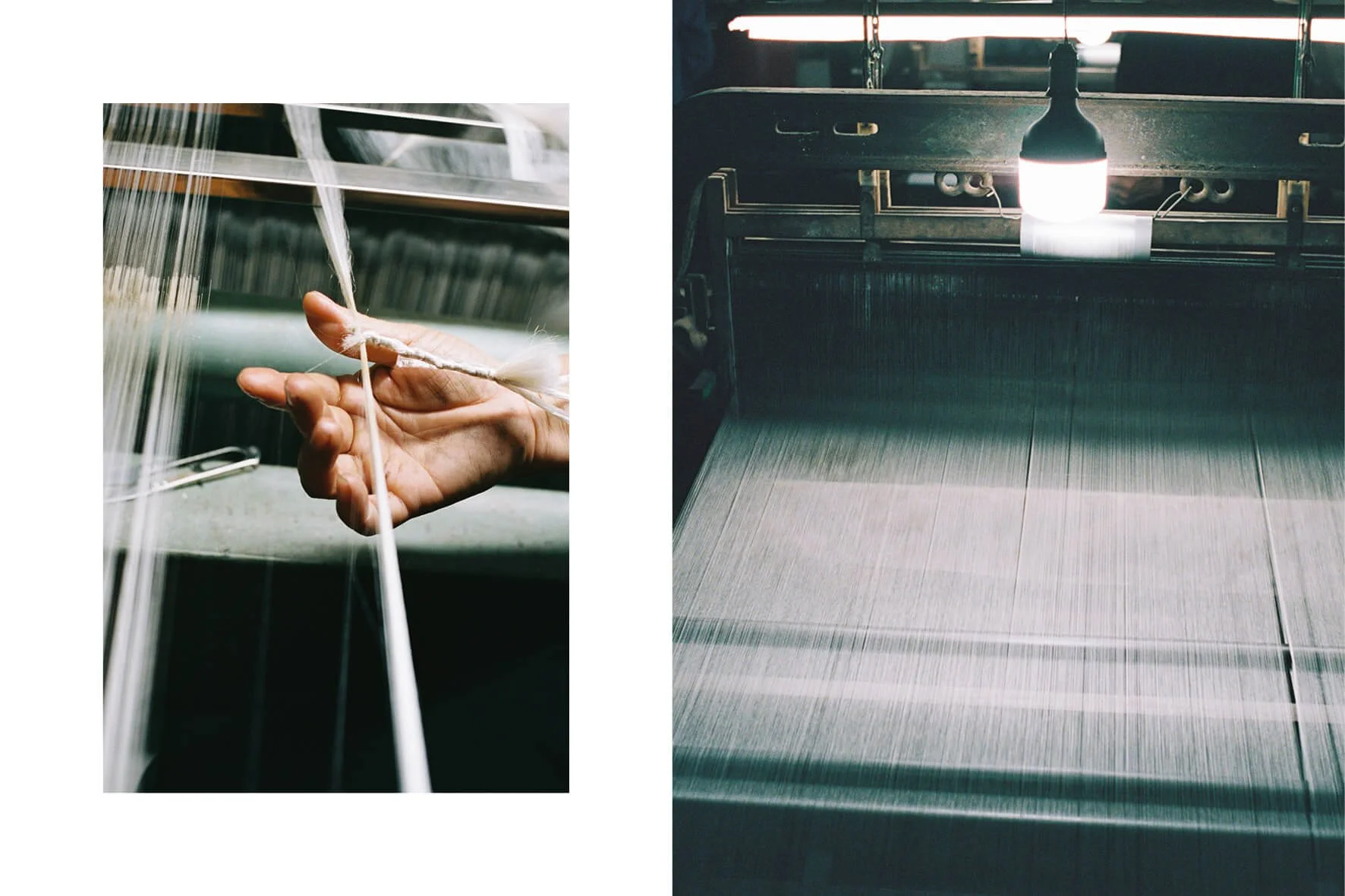
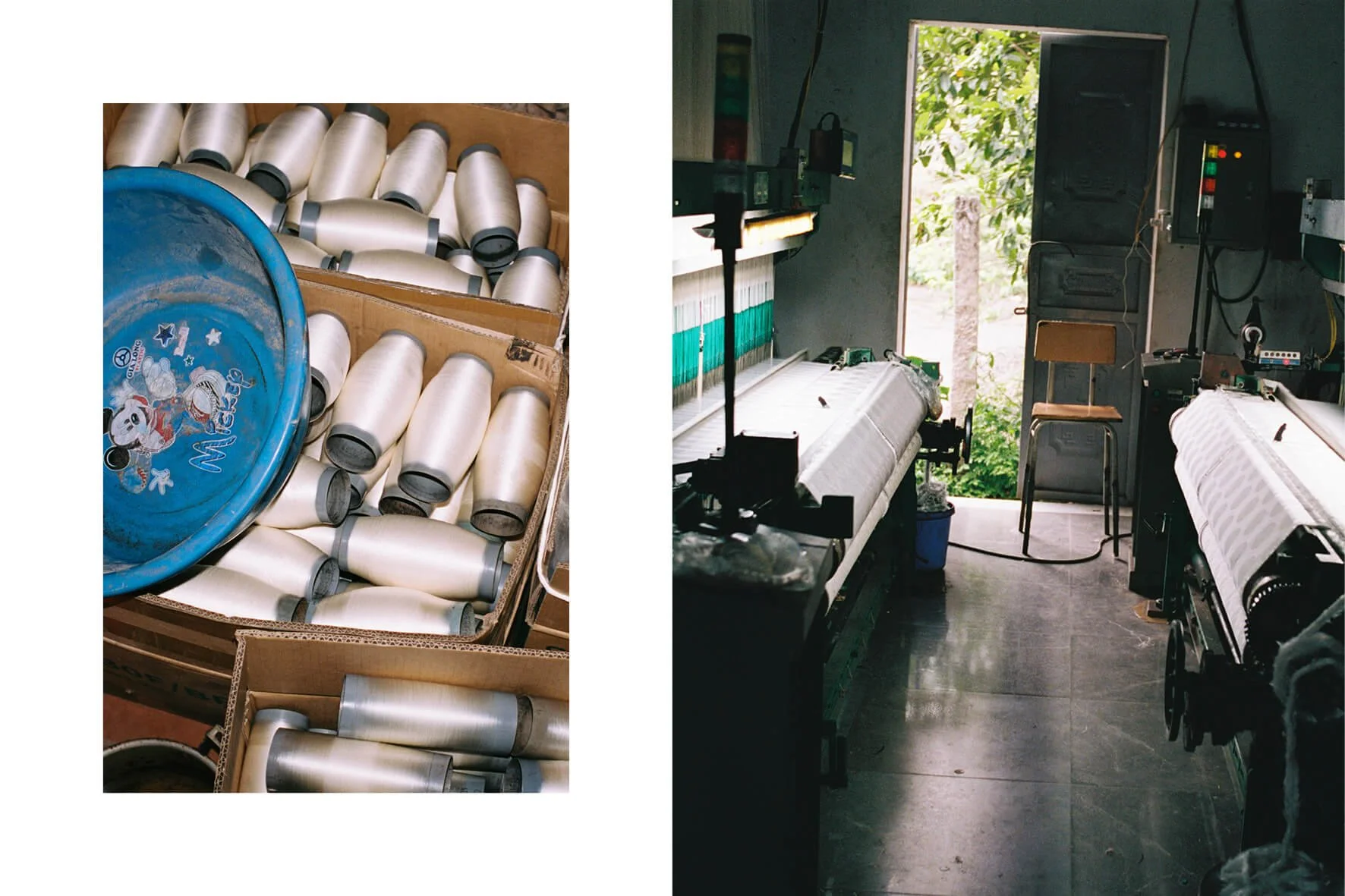
The steady rhythm of antique looms. The shuttle moving back and forth. Threads tightening. Threads releasing. Fabric forming line by line.
Each loom carries its own cadence, yet together they create a quiet harmony.
In one corner, a loom master moves silently between machines, checking tension, guiding threads through worn fingers, listening for even the slightest irregularity. Nothing is left unattended. Every metre is watched. Every thread matters.
Silk, so often associated with softness, ceremony, and refinement, begins here, in spaces that are grounded, physical, and alive with movement.
And perhaps that is what continues to draw me back. Not simply the material itself, but the relationships that quietly open doors into worlds most people never realise exist.